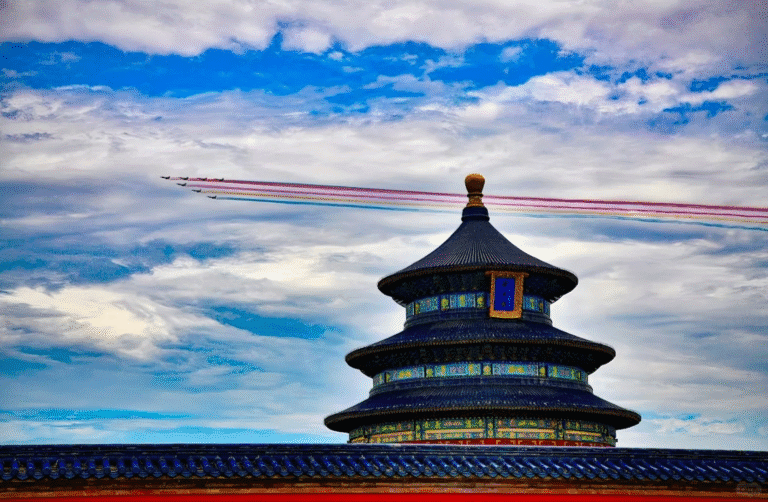

A cultural journey through taste, philosophy, and tradition
If we think of China’s cultural treasures, ancient temples, pagodas, and calligraphy may first come to mind. Yet quietly, in the rising steam of a teacup, lies one of the most profound threads weaving together China’s past and present: the story of tea.
Tea is more than a drink here—it’s a reflection of philosophy, hospitality, and mindfulness. Whether shared among friends or offered to guests, it embodies a deep respect for nature and human connection.
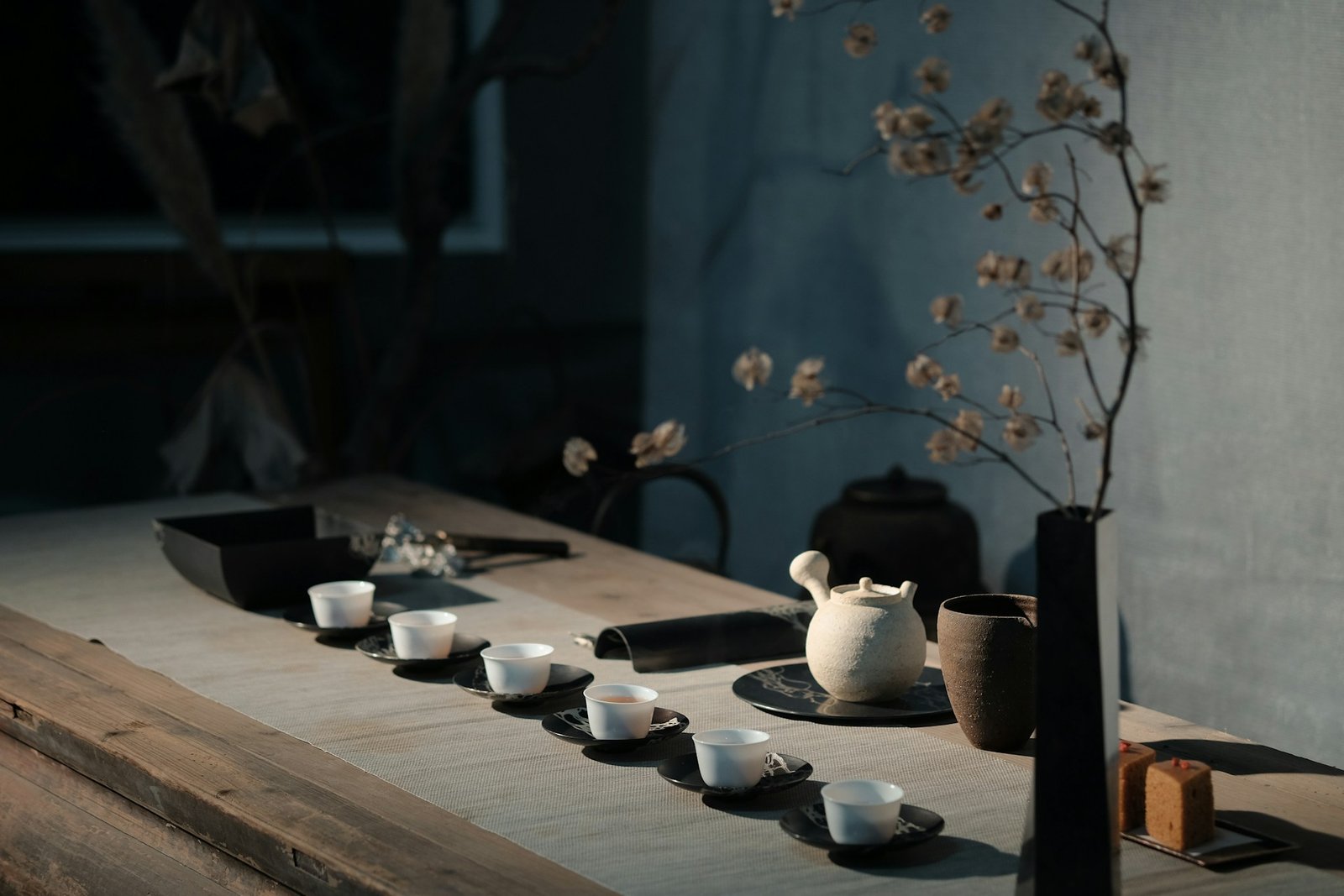
From Wild Leaves to Daily Ritual
The journey of tea in China begins not merely as a beverage—but as a medicine, a symbol, and eventually a ritual of hospitality. According to early records, tea was first used for its healing properties before it became the daily comfort of millions.
During the Tang Dynasty (618–907 AD), tea culture flourished across society, transforming from an elite indulgence into a national passion. A key figure in this transformation was the Tang scholar Lu Yu, whose Cha Jing (The Classic of Tea) became the world’s first comprehensive guide to tea. His writing elevated tea from a humble leaf into an art form—something to be appreciated with presence and grace.
Ritual, Respect & Connection
In Chinese culture, serving tea is a gesture of respect, gratitude, and harmony. Families prepare tea for elders, couples serve tea at weddings, and hosts welcome guests with freshly brewed leaves.
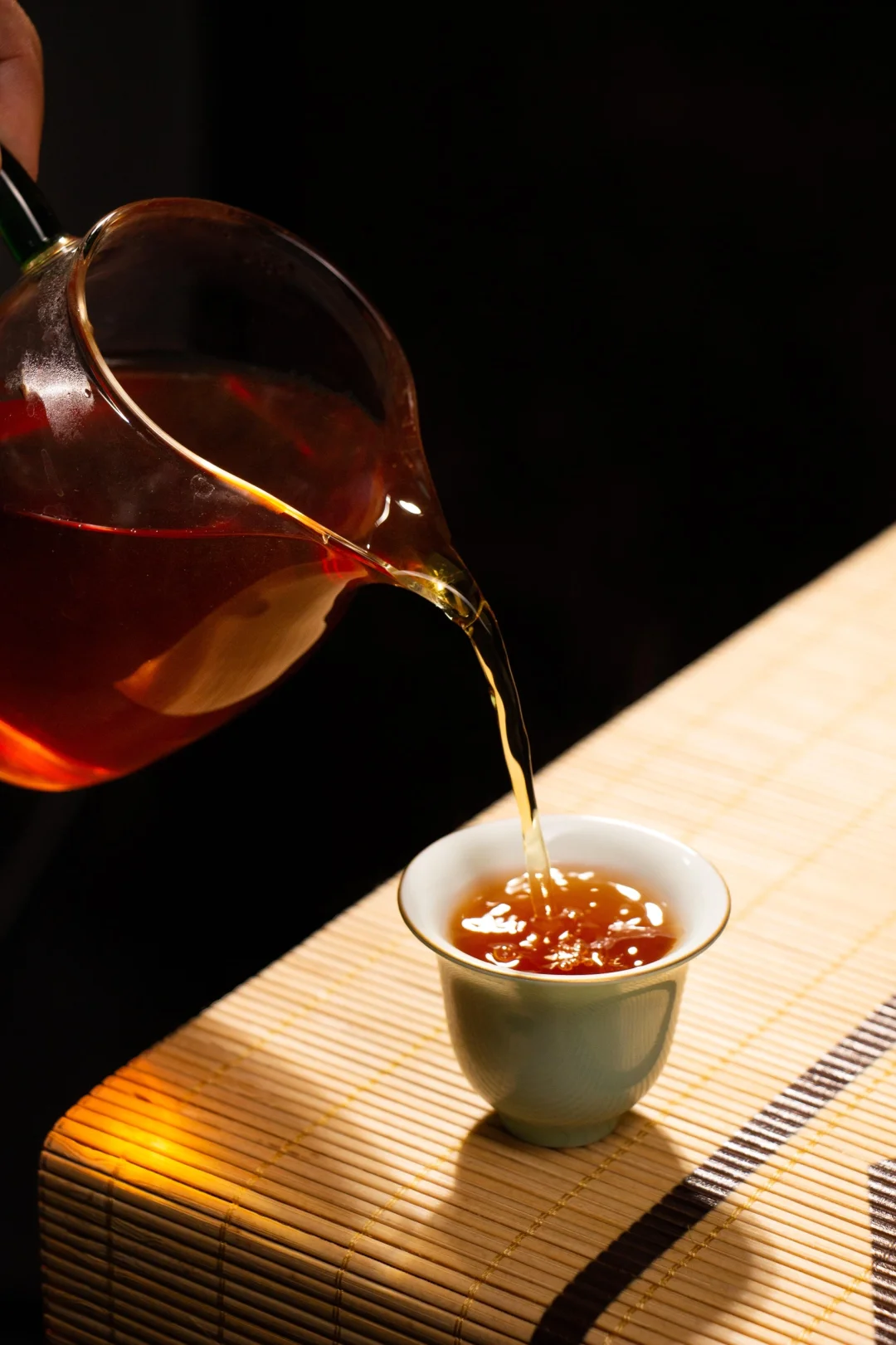
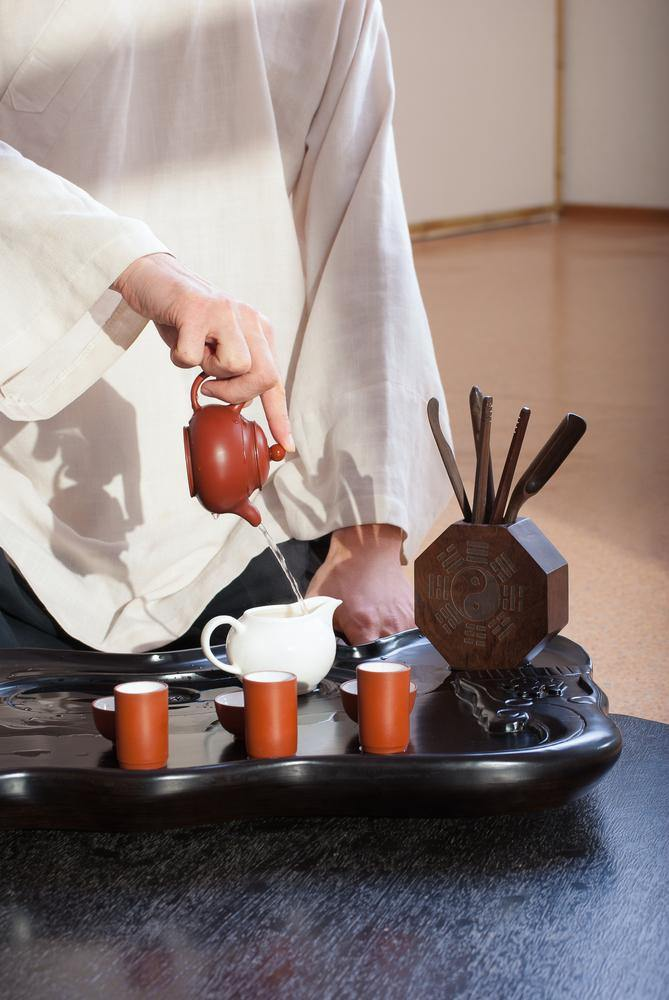
One of the most refined expressions of this tradition is the Gongfu Cha ceremony, which translates to “skillful tea.” Every step—the warming of the teaware, the rinsing of the leaves, the careful control of temperature and timing—reflects a balance between technique and mindfulness. The act is not about perfection but presence, offering both host and guest a moment of calm reflection amid life’s pace.
The Tools of Serenity – Understanding Chinese Teaware
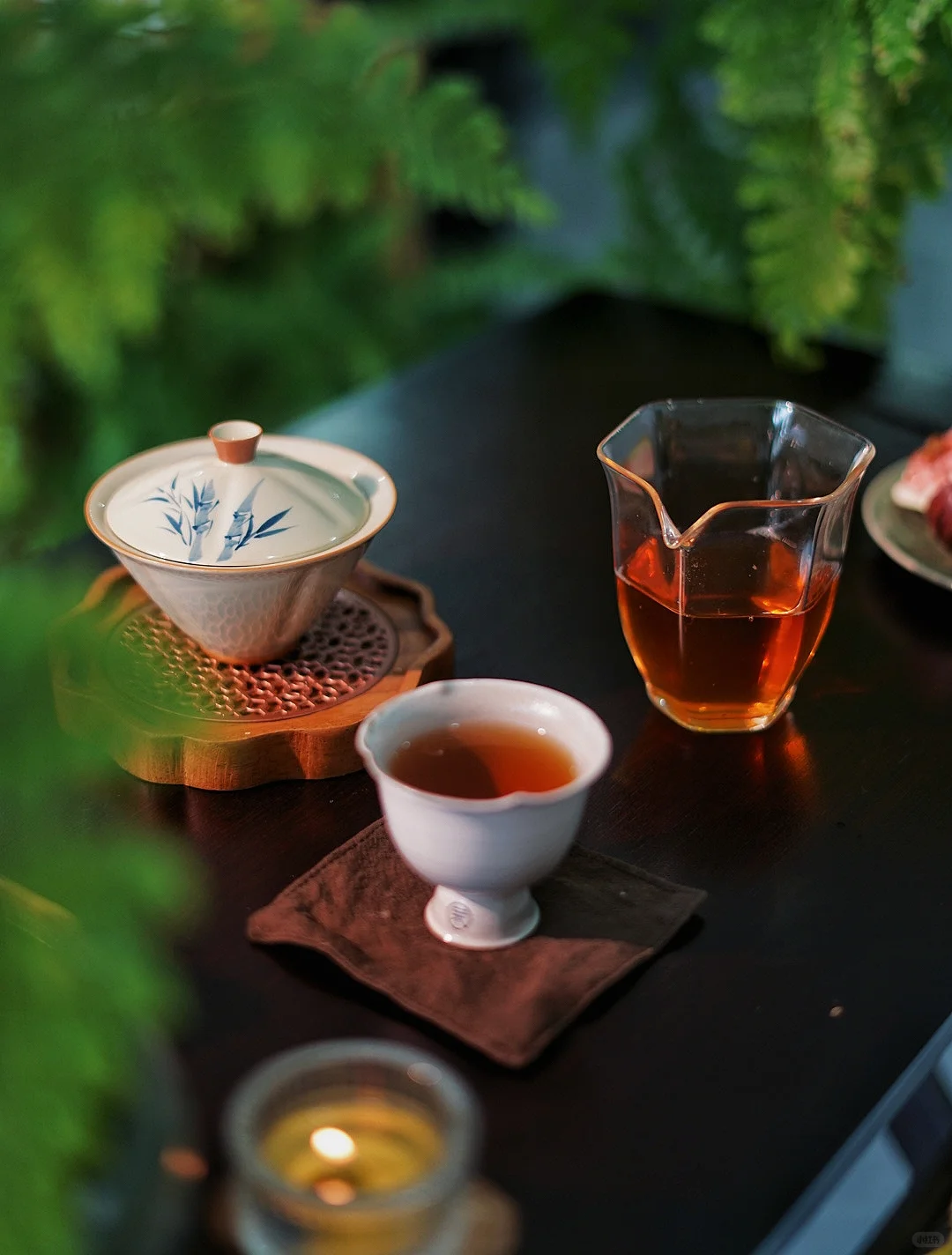
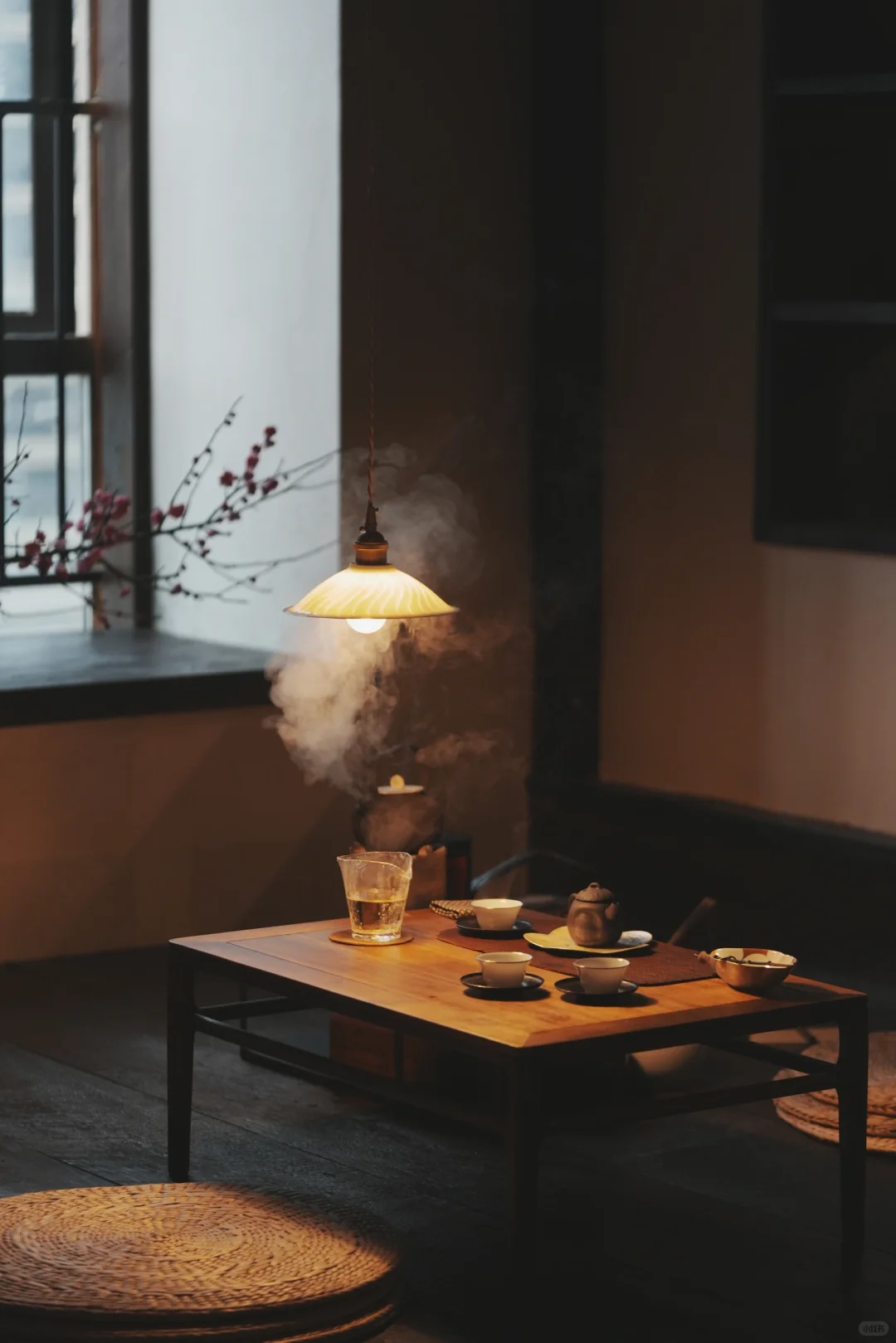
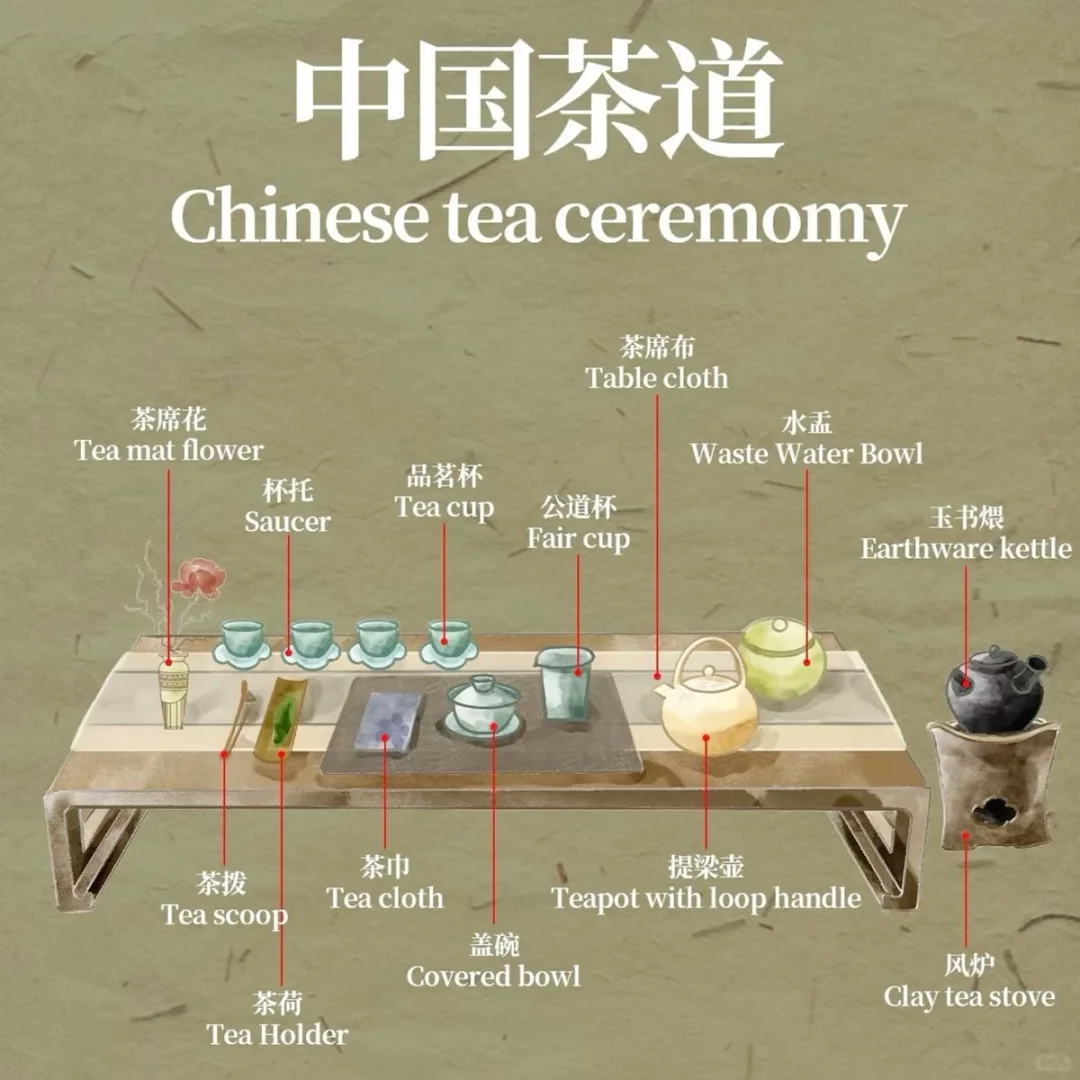
Before diving into the many varieties of Chinese tea, it helps to appreciate the beauty and purpose of the tools used to brew it. Every piece of teaware in a traditional tea ceremony has both a function and a symbolic meaning—together they create harmony between the hands, the leaves, and the water.
At the heart of the setup is the teapot or covered bowl (gaiwan), used to steep the tea leaves. The fair cup (gongdao bei) ensures that the tea poured into each guest’s cup is equal in strength and flavor—an act of fairness and respect. The tea cups themselves are small, encouraging slow sipping and mindful tasting.
Nearby, you’ll often see a tea scoop (chaze) for measuring leaves, a tea holder for displaying their color and fragrance, and a tea cloth to keep the workspace tidy—reflecting the value placed on order and balance. The earthware kettle and clay tea stove maintain the perfect water temperature, while the waste-water bowl is used to rinse and purify the utensils during the ceremony.
Even decorative touches like a tea mat flower remind participants to bring beauty and mindfulness into each pour. These tools, arranged with care and precision, are more than just objects—they embody centuries of aesthetic sensibility, hospitality, and quiet ritual.
Diversity – So Many Teas, So Many Stories
One of the most fascinating aspects of Chinese tea culture is its incredible diversity. Nowhere else in the world will you find such a complete spectrum of teas—all six classic types: green, black (known in China as hong cha or “red tea”), oolong, white, yellow, and the aged, fermented Pu-erh. Each has its own story, rooted in regional traditions, climate, and craftsmanship passed down through generations.
Green Tea (绿茶 – Lǜchá)
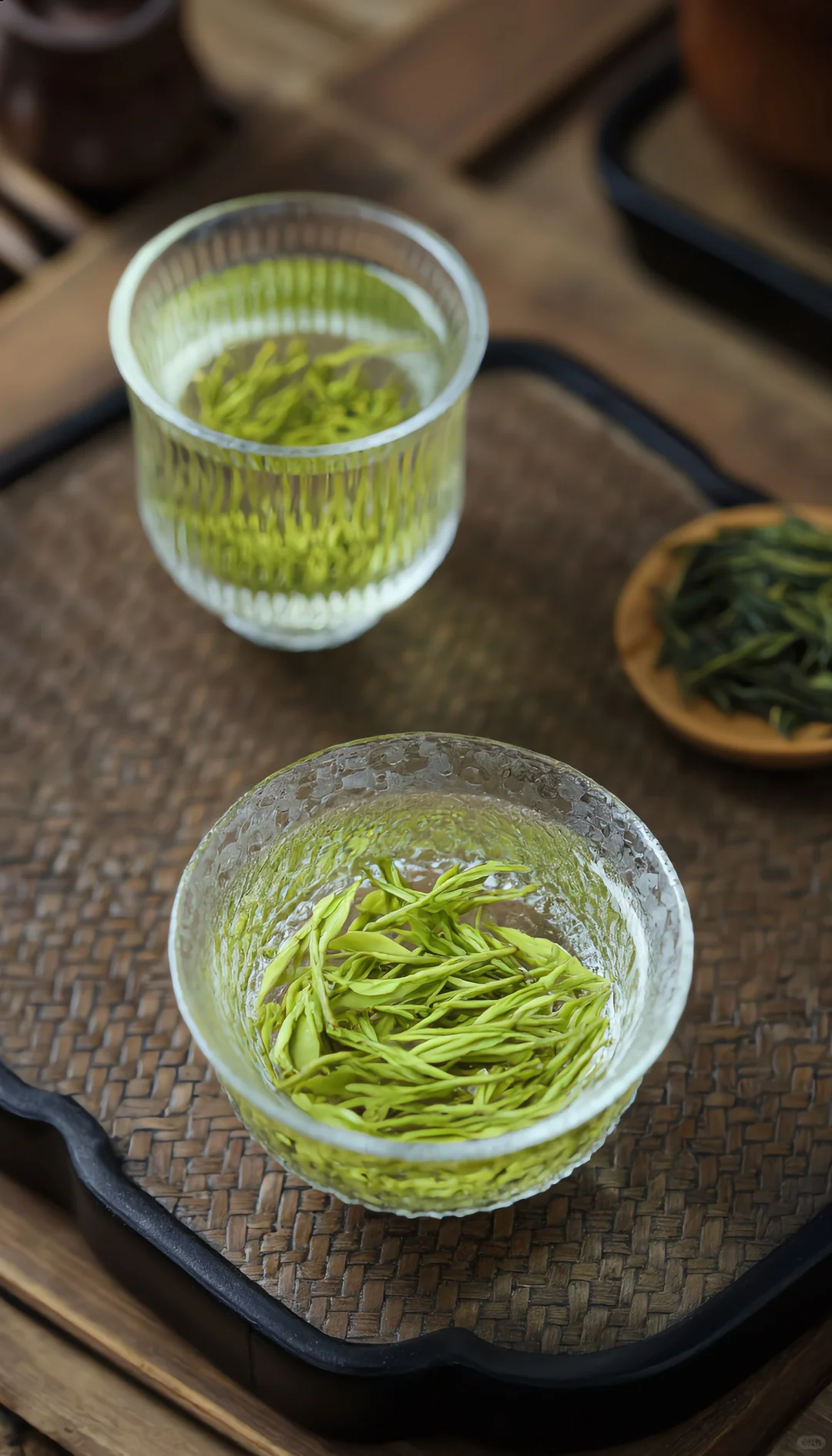
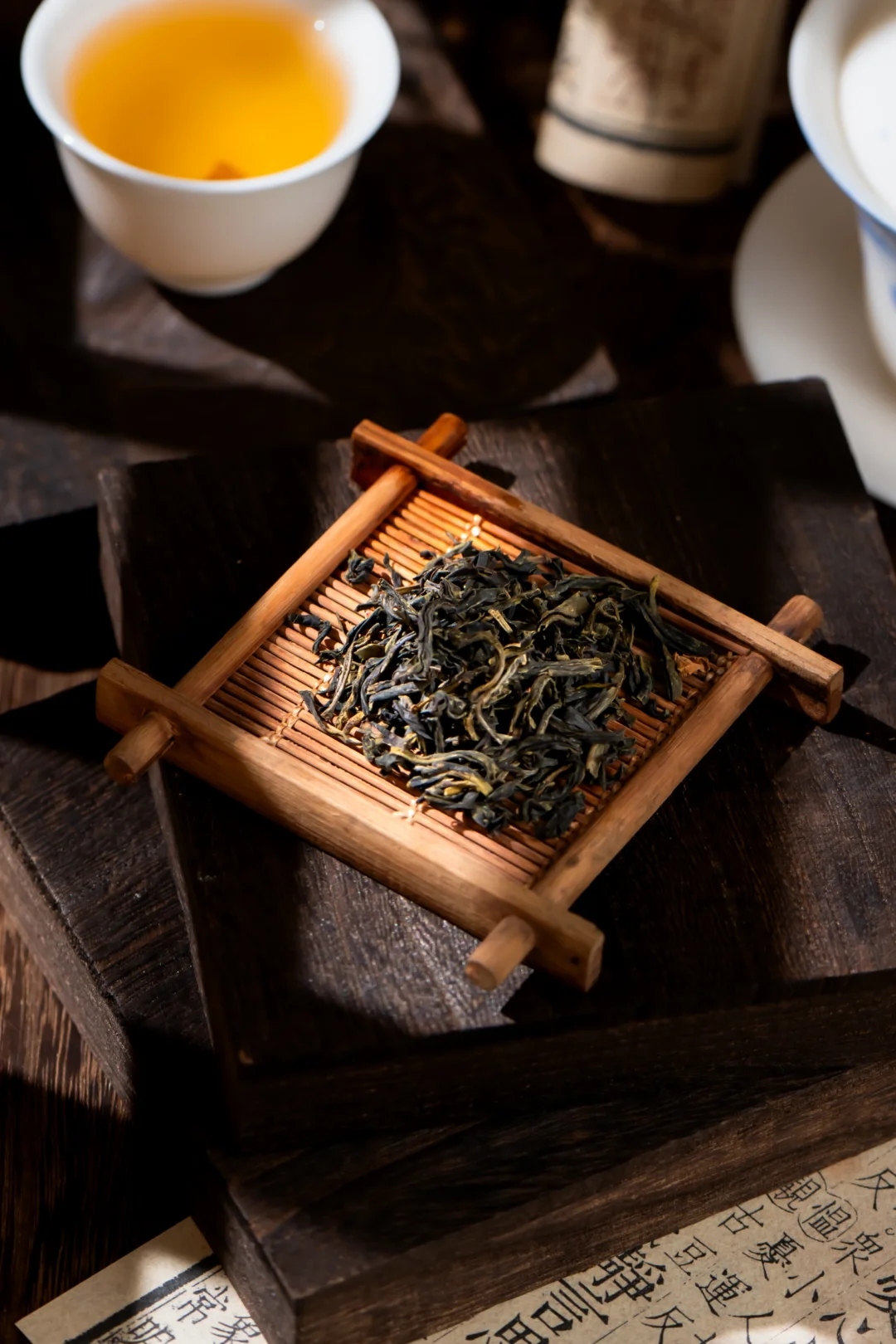
The freshest and most delicate of all, green tea is celebrated for its grassy aroma and bright, clean taste. It’s minimally processed—just withered, pan-fired, and dried—preserving the natural character of the leaf. Famous examples include Longjing (Dragon Well) from Hangzhou and Biluochun from Suzhou, often enjoyed for their gentle sweetness and elegant clarity.
Black Tea (红茶 – Hóngchá)
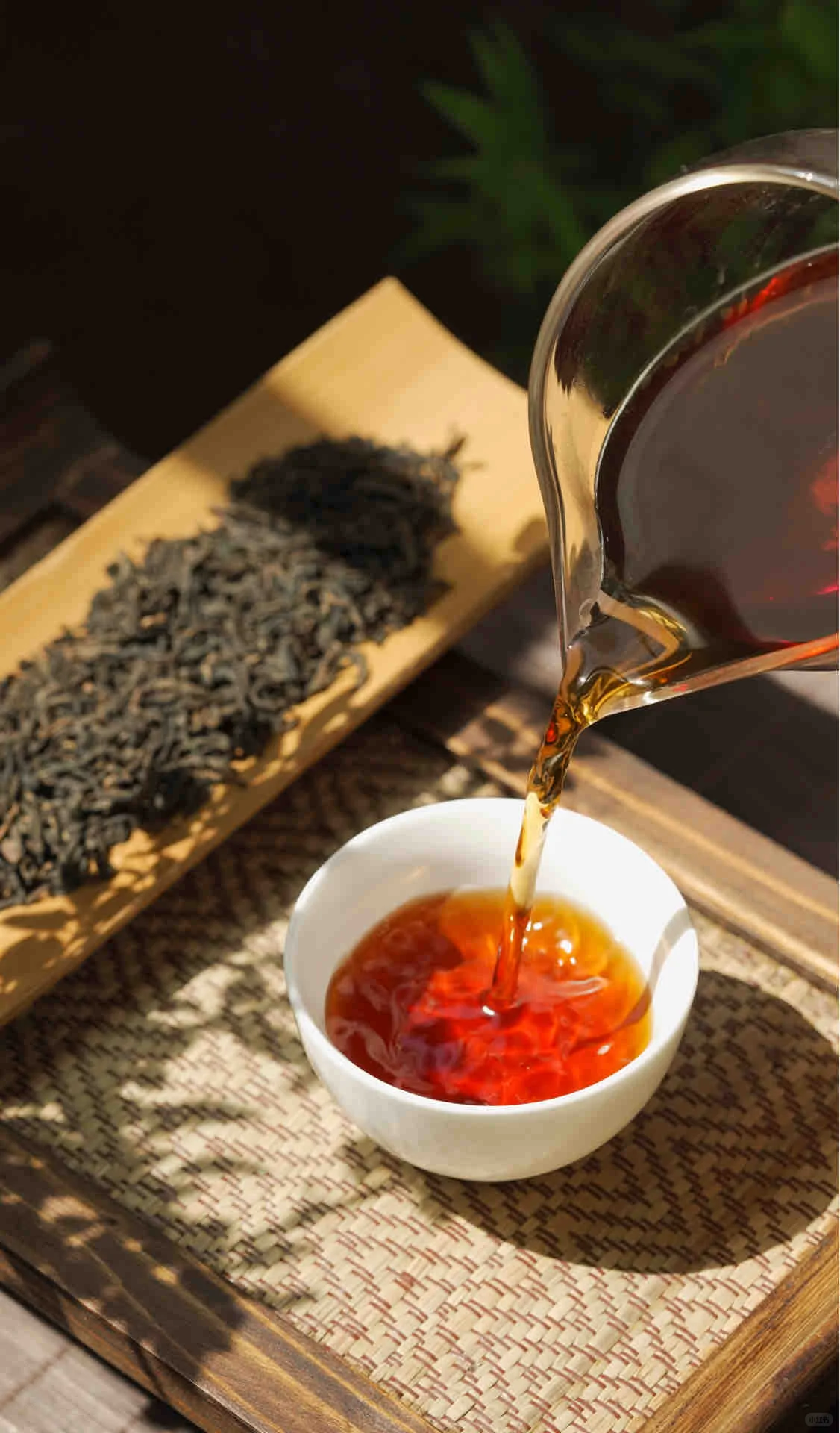
Known internationally as black tea but literally “red tea” in China, this style is fully oxidized, producing a rich amber color and malty aroma. Fujian’s Lapsang Souchong and Yunnan’s Dianhong are renowned examples. Historically, black tea was among China’s key exports along the Maritime Silk Road, shaping the world’s tea traditions.
Oolong Tea (乌龙茶 – Wūlóngchá)
Oolong sits between green and black tea—semi-oxidized and rich in complexity. Its aromas range from floral and fruity to roasted and honeyed. Famous varieties like Tieguanyin from Fujian and Da Hong Pao from the Wuyi Mountains are beloved for their depth and fragrance. Oolong is also central to the Gongfu Cha ceremony, where craftsmanship meets contemplation.
White Tea (白茶 – Báichá)
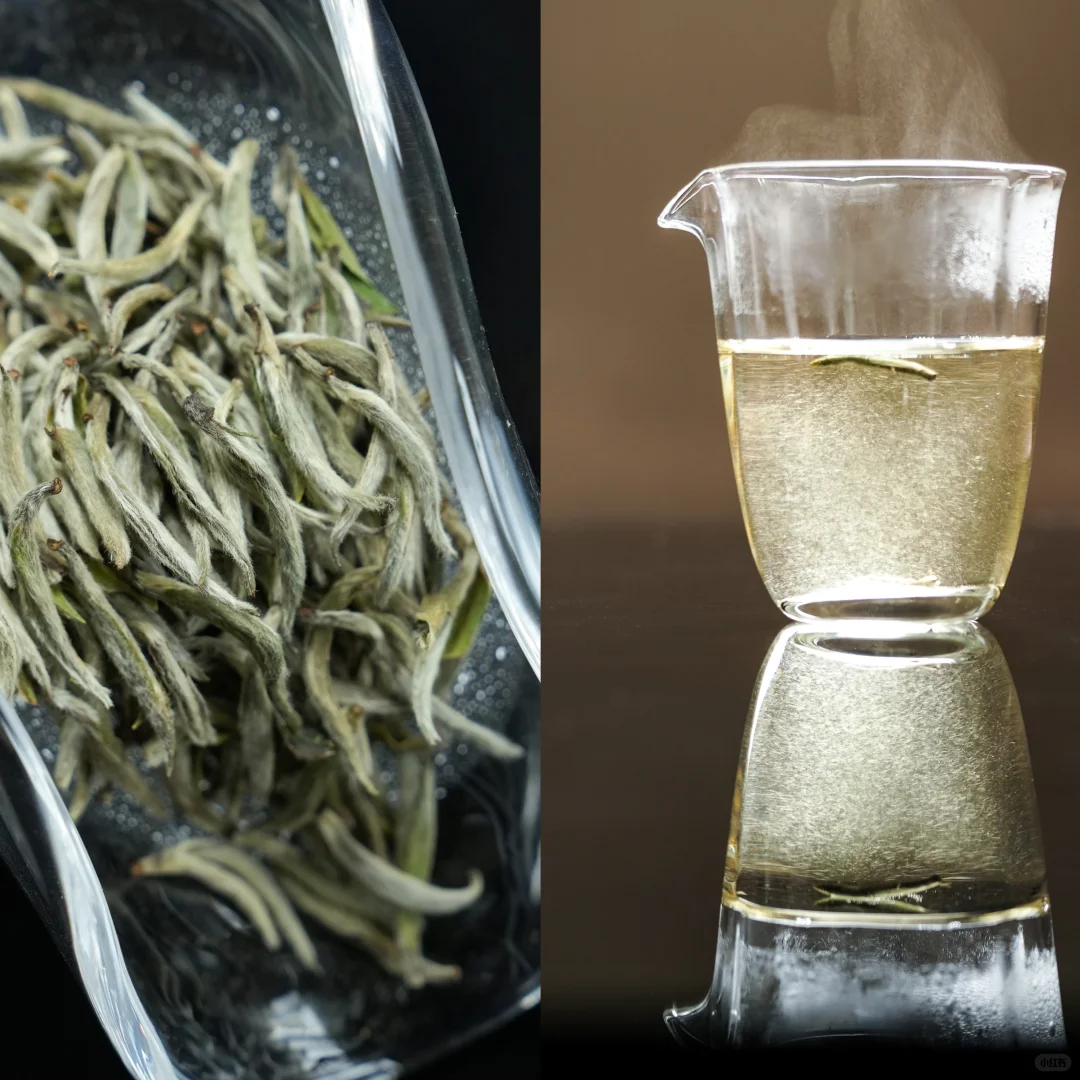
Made from the youngest buds and leaves, white tea is simply withered and dried, almost untouched. This minimal processing gives it a soft, subtle sweetness and silvery appearance. Fujian’s Silver Needle (Baihao Yinzhen) is treasured for its purity and calm character—believed to “cool the body and quiet the heart.”
Yellow Tea (黄茶 – Huángchá)
A rare and refined type, yellow tea is lightly oxidized and then gently steamed through a process called menhuang, which gives it a smooth, mellow flavor. Produced mainly in Hunan, Sichuan, and Anhui, it was once reserved for imperial use. Junshan Yinzhen remains among the most exquisite, prized for its silky texture and delicate sweetness.
Pu-erh Tea (普洱茶 – Pǔ’ěrchá)
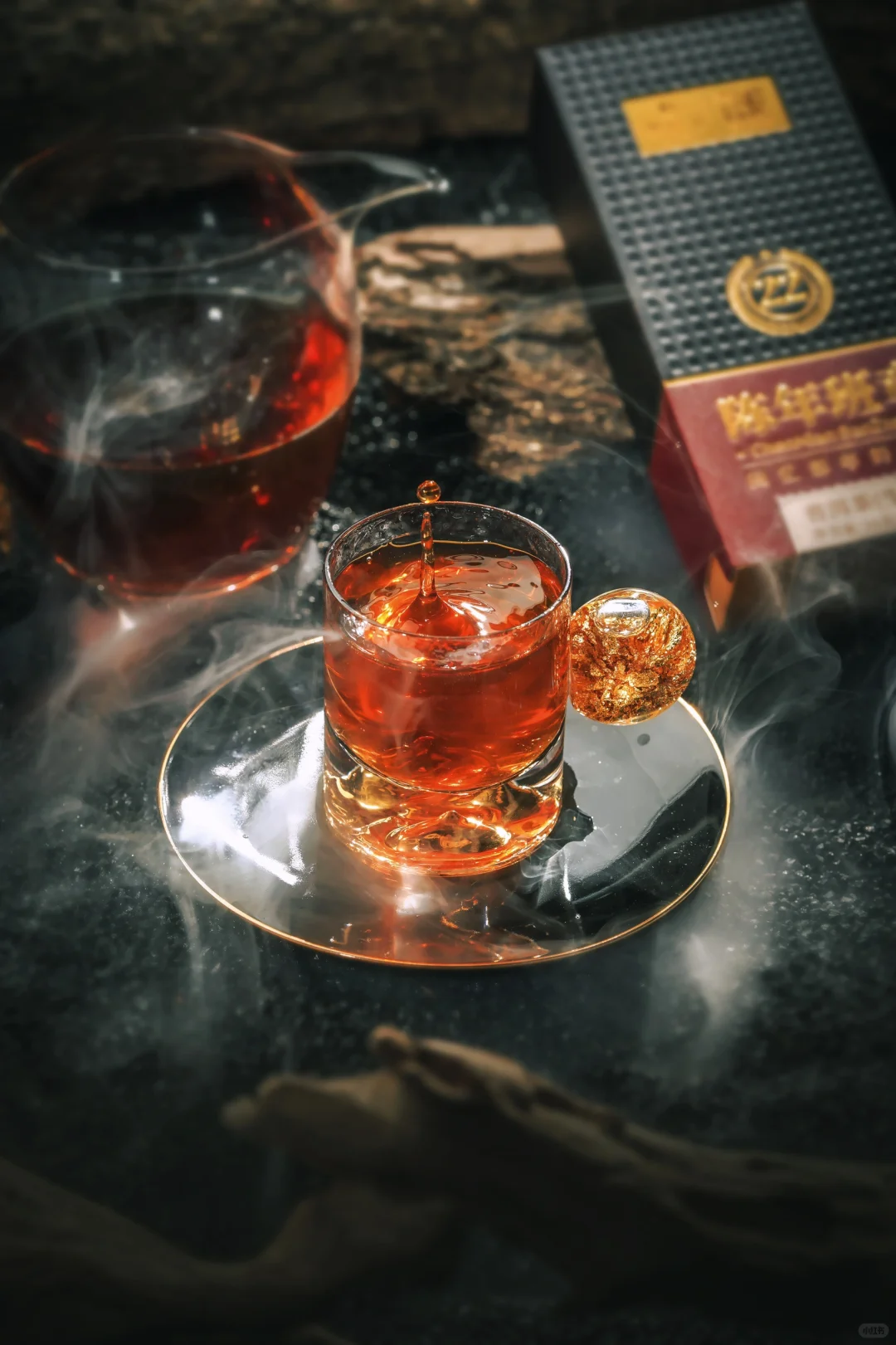
Originating from Yunnan, Pu-erh is fermented and aged, growing richer over time like fine wine. Pressed into cakes or bricks, it develops earthy, woody, and sometimes fruity notes as it matures. Visiting a Pu-erh tea workshop in Yunnan offers travellers a glimpse into centuries-old fermentation techniques and the patience behind every leaf.
Why It Matters for Travellers
For travellers exploring China, tea is a bridge—a way to taste history and connect with daily life. It engages every sense: the warmth of the cup, the swirl of steam, the aroma of roasted leaves, and the quiet focus of the pour.
- A Cultural Bridge – Understanding Chinese tea deepens appreciation for the country’s philosophy of balance and harmony.
- A Sensory Journey – Every cup tells a story—of soil, water, altitude, and human care.
- A Mindful Pause – Amid the fast pace of travel, a tea ceremony offers stillness and reflection.
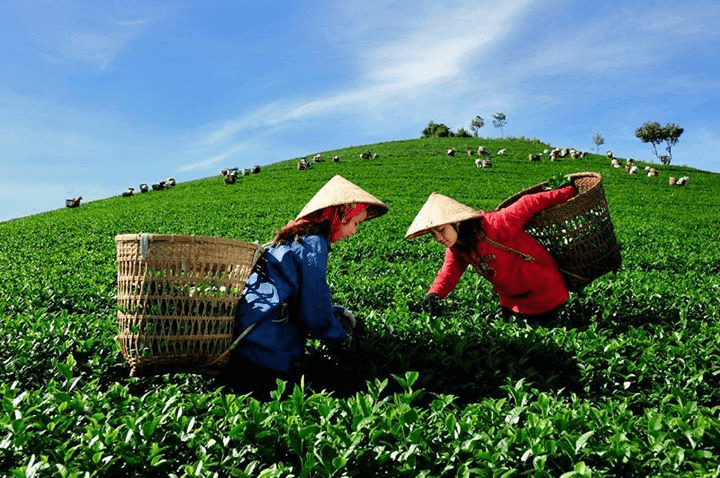
- A Local Connection – From elegant tea houses in Hangzhou to misty plantations in Yunnan, tea experiences invite travellers into authentic, human moments.
Inviting the World to Slow Down
Whether you’re meeting a guest from across the world or sitting quietly for a single cup, tea teaches a simple lesson: slowing down can reveal depth. As visitors lift the lid of a gaiwan or sip from a porcelain cup, they’re not just tasting tea—they’re sharing in centuries of heritage and hospitality.
So, next time you travel across China—through its cities, mountains, or river valleys—take a tea moment. Pause, breathe, and listen. In that quiet space, you’ll find the true art and spirit of Chinese tea.